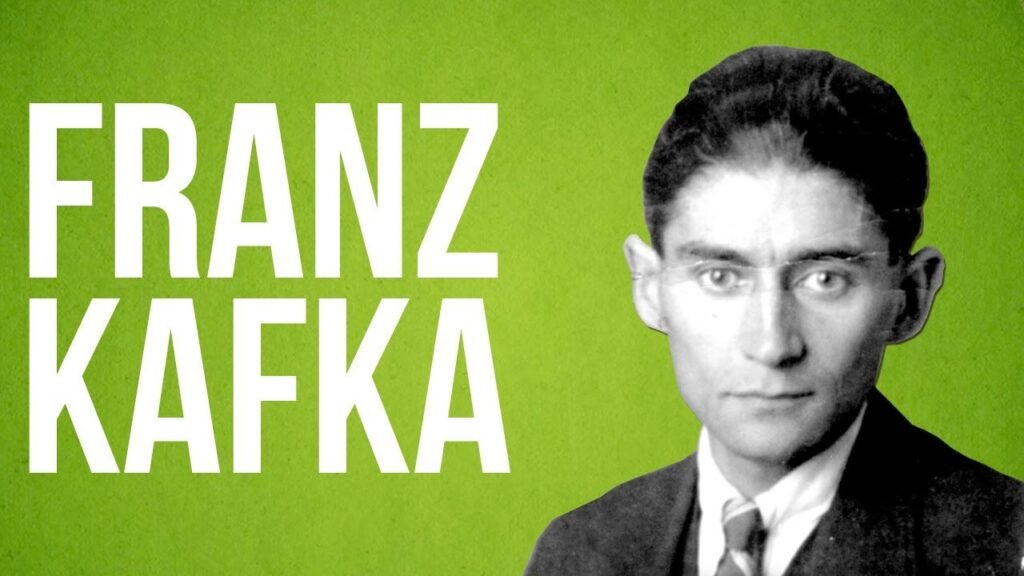
The Franz Kafka philosophy of youth and beauty suggests that the secret to lasting happiness lies not in the passage of years, but in our continued ability to perceive the wonder around us. According to Kafka, youth is happy because it has the capacity to see beauty, and anyone who keeps this ability never grows old. This perspective challenges the traditional view that aging is an inevitable decline into bitterness or boredom. Instead, it frames mental and emotional vibrancy as a choice rooted in awareness. In a modern era filled with digital distractions, preserving this sense of wonder requires a conscious effort to remain curious and open to the subtle details of everyday life. By shifting our focus from physical milestones to internal perception, we can maintain a youthful spirit throughout our entire lifespan.
Table of Contents
The connection between perception and emotional happiness
Kafka believed that the primary difference between a happy person and an unhappy one is the level of their emotional responsiveness. Younger minds often find delight in simple occurrences because they are seeing them with fresh eyes. As people age, there is a risk of becoming desensitized to the world, viewing it as a series of repetitive or mundane tasks. This mental fatigue is what Kafka identifies as the true source of growing old.
When a person stops noticing the play of light through a window or the nuance in a friend’s voice, they lose their connection to the present moment. The ability to see beauty acts as an emotional anchor that prevents the mind from drifting into a state of indifference. This philosophy encourages us to treat curiosity as a skill to be practiced rather than a trait that naturally fades over time.
A comparison of biological aging and psychological youth
To better understand how Kafka’s ideas apply to the human experience, it is helpful to look at how we typically define age versus how a mindset of beauty perception alters that experience. The following table highlights the differences between focusing on chronological age and focusing on the psychological youthfulness described by Kafka.
| Feature | Chronological Aging Focus | Psychological Youthfulness Focus |
| Primary Measure | Years lived and physical changes | Curiosity and emotional openness |
| View of Beauty | Seen as a luxury or rare event | Found in ordinary, daily moments |
| Mental State | Prone to routine and repetition | Driven by discovery and awe |
| Social Impact | Often leads to isolation or fatigue | Fosters deeper human connection |
| Financial Cost | Often involves anti-aging at a high $amount | Costs nothing but intentional time |
Expert insight on cultivating curiosity in daily life
Practical application of this philosophy involves a technique known as active observation. In a professional or personal setting, this means taking a moment to identify three things in your immediate environment that you usually overlook. Expert research in the field of mindfulness shows that people who engage in this practice report lower levels of stress and higher levels of satisfaction. By intentionally looking for beauty, you are training your brain to stay engaged with the world rather than retreating into autopilot. This practice is especially valuable for those working in high pressure environments where the routine can easily become overwhelming.
- Dedicate five minutes each day to observing nature or art without distractions.
- Engage in new hobbies that challenge your existing perceptions.
- Practice listening to others with the goal of discovering something new.
- Use a journal to record small moments of beauty you encounter.
- Limit screen time to allow your mind space for independent thought.
The legacy of Franz Kafka and his views on existence
Franz Kafka was a writer who understood the weight of the world, often exploring themes of bureaucracy and isolation. However, his quote about youth reveals a hidden layer of optimism in his work. He recognized that while the world can be a complex and often frightening place, the individual holds the power to transform their experience through their gaze. His life in Prague, spent balancing a demanding job in insurance with his passion for writing, was a testament to his own struggle to keep his imaginative capacity alive.
His message remains a powerful reminder that we are not passive victims of time. While we cannot stop the clock, we can prevent the dulling of our senses. By maintaining a sharp eye for beauty, we protect ourselves from the emotional numbness that often accompanies modern stress. This approach to life allows us to carry the best parts of youth curiosity, excitement, and wonder well into our later years, proving that the mind can remain vibrant as long as it remains observant.